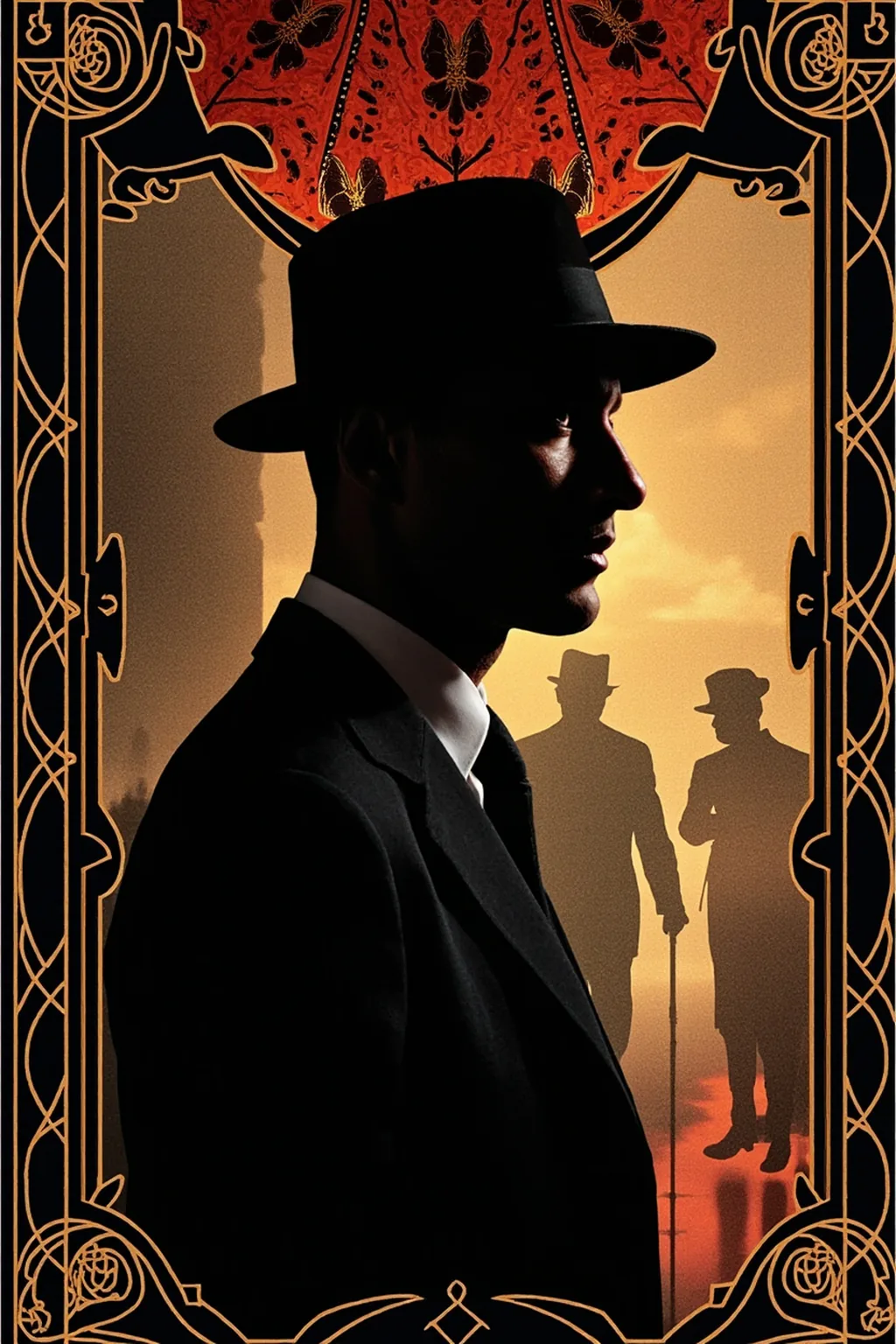
“Entonces lleva el sombrero dorado, si eso la conmoverá;
Si puedes saltar alto, salta también por ella,
Hasta que ella grite ‘¡Amante, amante del sombrero dorado, amante que salta alto,
¡Debo tenerte!’”
“Siempre que sientas el deseo de criticar a alguien,” me dijo, “simplemente recuerda que no todas las personas en este mundo han tenido las ventajas que tú has tenido.”
Leer interpretación
Nick Carraway relata la sabiduría de su padre, que se convierte en la base filosófica para el enfoque del narrador hacia los personajes moralmente comprometidos que encuentra. Este consejo revela las raíces del medio oeste de Nick en principios de tolerancia y humildad moral, sin embargo, Fitzgerald señala inmediatamente su insuficiencia—reservar el juicio es “un asunto de esperanza infinita”, pero una que tiene un límite. La tensión entre la filosofía heredada de Nick y el mundo corruptor de East Egg pondrá a prueba esta disposición tolerante repetidamente a lo largo de la novela.
“Reservar los juicios es un asunto de esperanza infinita.”
Leer interpretación
Este refinamiento del consejo de su padre introduce una paradoja en el corazón del carácter de Nick: su tolerancia no es ni pasiva ni ingenua, sino activamente esperanzadora, arraigada en la fe de que las personas podrían resultar mejores de lo que aparentan. Fitzgerald usa esta admisión para posicionar a Nick como un cronista apropiado para la historia de Gatsby, donde la esperanza misma se convierte tanto en la fuerza impulsora de los personajes como en su trágica vulnerabilidad.
“Solo Gatsby, el hombre que da su nombre a este libro, estaba exento de mi reacción—Gatsby, que representaba todo aquello por lo que siento un desprecio espontáneo.”
Leer interpretación
La declaración de Nick de que solo Gatsby escapa de su reserva habitual eleva inmediatamente al misterioso vecino por encima de las categorías morales ordinarias. Sin embargo, Fitzgerald complica esta reverencia al hacer que Nick denuncie los valores de Gatsby como “despreciables” aun cuando permanece inexplicablemente atraído hacia él. Esta paradoja—desprecio y fascinación simultáneos—define la relación complicada del narrador con la figura titular de la novela e invita a los lectores a compartir su ambivalencia no resuelta.
«Este es un valle de cenizas—una granja fantástica donde las cenizas crecen como trigo en crestas y colinas y jardines grotescos; donde las cenizas adoptan las formas de casas y chimeneas y humo ascendente y, finalmente, con un esfuerzo trascendente, de hombres color ceniza, que se mueven débilmente y ya desmoronándose por el aire polvoriento.»
Leer interpretación
El Valle de las Cenizas entre West Egg y Nueva York sirve como el páramo moral y espiritual de la novela, un paisaje «fantástico» donde los residuos industriales han reemplazado el crecimiento natural. El uso repetido que hace Fitzgerald de la imaginería de la ceniza—intensamente texturizado a lo largo de este pasaje—transforma el terreno en algo simultáneamente orgánico y horrible, como si la humanidad misma se estuviera descomponiendo en polvo gris. Los «hombres color ceniza» que «se mueven débilmente y ya desmoronándose» prefiguran la desintegración espiritual de personajes como George Wilson, atrapado en este «solemne vertedero» entre la riqueza de las costas.
«Los ojos del Doctor T. J. Eckleburg son azules y gigantescos—sus retinas miden una yarda de alto. No miran desde ningún rostro, sino, en cambio, desde un par de enormes gafas amarillas que pasan por encima de una nariz inexistente.»
Leer interpretación
Los ojos monumentales y sin rostro del Doctor T.J. Eckleburg emergen como el símbolo más inquietante de la novela sobre el juicio ausente. Fitzgerald traza el origen de la valla publicitaria hasta un oculista que la instaló para atraer pacientes, y luego «se hundió él mismo en la ceguera eterna, o las olvidó y se marchó»—un comentario irónico sobre la impermanencia del empreendimento comercial. Los ojos que ahora «velan sobre el solemne vertedero» representan una presencia vigilante que lo ve todo pero no juzga nada, un observador divino convertido en impotente por su propia artificialidad. George Wilson interpretará más tarde estos ojos como testigo divino, revelando cómo el duelo desesperado transforma símbolos sin sentido en significado desesperado.
“Había música en la casa de mi vecino durante las noches de verano. En sus jardines azules, hombres y muchachas iban y venían como polillas entre los susurros, el champaña y las estrellas.”
Leer interpretación
La apertura del Capítulo Tres establece la propiedad de Gatsby como una celebración perpetua, un mundo de festividad veraniega donde los invitados “iban y venían como polillas”. La imaginería de Fitzgerald de polillas atraídas por la llama sugiere tanto atracción como peligro, mientras que los “susurros, el champaña y las estrellas” evocan una atmósfera de cuento de hadas de encantamiento. Los jardines azules y el entretenimiento perpetuo señalan el intento de Gatsby de construir una realidad alternativa: un escenario sobre el cual su reencuentro con Daisy podría lograrse.
“Cada viernes llegaban cinco cajas de naranjas y limones de un frutero de Nueva York; cada lunes, esas mismas naranjas y limones salían por la puerta trasera en una pirámide de mitades sin pulpa.”
Leer interpretación
El exprimido mecánico de cientos de naranjas cada fin de semana ejemplifica la escala industrial de la hospitalidad de Gatsby, transformando la abundancia natural en proceso mecánico. El preciso recuento de Fitzgerald —“pirámide de mitades sin pulpa”— enfatiza el consumo y el desperdicio implacables que subyacen bajo la superficie centelleante de la riqueza, un motivo que culminará en el trágico desenlace de la novela. La fruta que llega fresca y sale agotada refleja al propio Gatsby, cuyo “extraordinario don para la esperanza” será agotado de manera similar al final del verano.
“El bar está en pleno apogeo, y rondas flotantes de cócteles impregnan el jardín exterior…”
Leer interpretación
El bar en pleno apogeo y los cócteles que “impregnan” el jardín sugieren tanto abundancia sensorial como difusión moral, ya que el alcohol afloja las inhibiciones sociales y permite las crueldades despreocupadas que caracterizan las reuniones de Gatsby. La llegada de la orquesta —“no un delgado conjunto de cinco piezas, sino todo un foso de oboes, trombones, saxofones, violas, cornetas y pícolos”— anuncia la fiesta como producción teatral, la performance elevada a arte. Cada elemento de la hospitalidad de Gatsby funciona como espectáculo, diseñado para impresionar y abrumar en lugar de conectar genuinamente.
“Es un contrabandista,” dijeron las jóvenes, moviéndose entre sus cócteles y sus flores. “Una vez mató a un hombre que había descubierto que era sobrino de Von Hindenburg y primo segundo del diablo.”
Leer interpretación
El cotilleo que circula sobre Gatsby mezcla la acusación criminal con la especulación sobrenatural, creando una mitología que lo presenta simultáneamente como amenazante y fascinante. La yuxtaposición casual del contrabando con el asesinato y la ascendencia diabólica revela hasta qué punto Gatsby se ha convertido en una pantalla en blanco sobre la que los demás proyectan sus deseos y miedos. Las jóvenes sueltan estos rumores descabellados “entre sus cócteles y sus flores”, tratando la oscura especulación como un entretenimiento ligero, mientras que los relatos contradictorios —“Era un espía alemán, aunque algunos dicen que era estadounidense”— demuestran hasta qué punto los verdaderos orígenes de Gatsby han quedado ocultos por la invención.
“Escribí en los espacios vacíos de un horario los nombres de quienes vinieron a la casa de Gatsby aquel verano. Ahora es un horario viejo, que se desintegra por sus pliegues…”
Leer interpretación
La documentación de Nick sobre los invitados de Gatsby transforma la novela en un registro de archivo, con el deterioro físico de su horario reflejando la desintegración moral que presenció. La lista de nombres del East Egg, el West Egg y la Nueva York teatral —que abarca registros sociales desde senadores hasta divorciadas y misteriosamente acaudalados— constituye un censo de complicidad. Estos invitados “le rindieron el sutil homenaje de no saber absolutamente nada acerca de él”, lo que sugiere que la ignorancia misma se convierte en una forma de homenaje, un acuerdo colectivo para mantener la ficción del misterioso éxito de Gatsby.
“Cuando llegué a casa a West Egg aquella noche, temí por un momento que mi casa estuviera ardiendo. Las dos de la madrugada y toda la esquina de la península resplandecía de luz…”
Leer interpretación
La iluminación nocturna de la mansión de Gatsby señala tanto su insomnio como su preparación obsesiva para el reencuentro con Daisy que Nick ha acordado organizar. La metáfora del fuego de Fitzgerald —a la vez amenazante e iluminadora— prefigura las fuerzas destructivas que desatará la pasión de Gatsby. La luz que “caía irreal sobre los arbustos y producía finos y elongados destellos sobre los alambres del camino” sugiere una casa a punto de desencajarse de la realidad, con su dueño igualmente suspendido entre la esperanza y la desesperación.
“Ambos miramos hacia abajo, al césped: había una línea definida donde terminaba mi césped descuidado y comenzaba la extensión más oscura y bien cuidada del suyo.”
Leer interpretación
La frontera entre la modesta cabaña de Nick y la mansión de Gatsby literaliza las distinciones de clase de la novela, con la “línea definida” marcando la división entre la vieja y la nueva riqueza, la autenticidad y la ostentación. El “césped descuidado” de Nick contrasta con la “extensión más oscura y bien cuidada” de Gatsby, lo que sugiere que todo lo que Gatsby cultiva crece en un suelo más profundo y sombrío. Este momento de observación compartida establece la complicidad de Nick en el plan de Gatsby: él se convertirá en el césped que separa dos mundos, facilitando el cruce que puede destruirlos a ambos.
“Vaya, pensé… oye, mira aquí, viejo sport, no ganas mucho dinero, ¿verdad?”
Leer interpretación
El torpe intento de Gatsby de ofrecerle a Nick una oportunidad de negocios —su “negocio”, queda claro, está conectado con las operaciones de contrabando de licor dirigidas por Meyer Wolfsheim— revela la lógica transaccional que subyace incluso en sus amistades. Su petición de que Nick invite a Daisy a tomar el té, a pesar de su vasta riqueza y su elaborada mansión, expone cuán completamente su necesidad emocional ha incapacitado su juicio práctico. Gatsby no puede simplemente comprar lo que desea; debe construir circunstancias elaboradas en las que Daisy pueda elegirlo libremente, un idealismo romántico que raya en la ilusión.
“Por qué estas invenciones eran una fuente de satisfacción para James Gatz de Dakota del Norte, no es fácil de decir.”
Leer interpretación
La revelación directa de Fitzgerald del nombre de nacimiento de Gatsby —“James Gatz; ese era realmente, o al menos legalmente, su nombre”— desmantela la mitología construida en torno al protagonista de la novela. El cambio de la omnisciencia en tercera persona (“Por qué estas invenciones eran”) a la observación en primera persona (“no es fácil de decir”) crea un breve momento de vacilación autoral, como si el propio Fitzgerald no pudiera explicar completamente la brecha entre la invención de sí mismo y la identidad auténtica. James Gatz de Dakota del Norte sigue siendo una figura de misterio incluso cuando sus secretos quedan al descubierto.
“Era un hijo de Dios —una frase que, si significa algo, significa precisamente eso— y debía ocuparse de los asuntos de su Padre, el servicio de una belleza vasta, vulgar y meretricia.”
Leer interpretación
Esta concepción platónica del yo de Gatsby posiciona su transformación como vocación cuasi-religiosa, un llamado a “los asuntos de su Padre” que eleva el mero éxito material en propósito sagrado. Sin embargo, Fitzgerald matiza inmediatamente esta grandeza con “vulgar y meretricia” —las cualidades mismas que distinguen la estética de Gatsby del artículo genuino. La tensión entre aspiración divina y ejecución sórdida define la tragedia de Gatsby: inventa el yo ideal a los diecisiete y permanece “fiel a él” a lo largo de su vida, sin reconocer nunca que su sueño ha sido corrompido por la búsqueda misma.
“Fue cuando la curiosidad por Gatsby alcanzaba su punto más alto que las luces de su casa no se encendieron una noche de sábado —y, tan oscuramente como había comenzado, su carrera como Trimalchio había terminado.”
Leer interpretación
Fitzgerald invoca explícitamente el Satiricón de Petronio, comparando a Gatsby con Trimalchio, el esclavo liberto cuya riqueza vulgar y festines elaborados definían el objetivo satírico de la novela romana. Así como las fiestas de Trimalchio enmascaraban orígenes serviles tras una ostentación grotesca, los entretenimientos de Gatsby han ocultado su conexión con las empresas criminales de Meyer Wolfsheim. La extinción de sus luces marca no solo el fin de las fiestas, sino el colapso de toda la ficción sobre la que descansaban su identidad —y su esperanza de recuperar a Daisy—.
“Quería a alguien que no chismeara. Daisy viene bastante a menudo —por las tardes.”
Leer interpretación
El despido de sus sirvientes originales por parte de Gatsby y su reemplazo por gente de Wolfsheim transforma su mansión de escenario social en operación clandestina. La admisión de que Daisy visita “bastante a menudo —por las tardes” revela cuán completamente su vida se ha reorganizado en torno a ella, cada disposición doméstica subordinada a mantener su secreto. La imagen de Fitzgerald de “todo el caravanserrallo” desplomándose “como un castillo de naipes ante la desaprobación de sus ojos” sugiere que el mundo entero de Gatsby es tan frágil como una arquitectura, dependiente de la aprobación de una mujer que tal vez nunca se comprometerá plenamente con él.
“El día siguiente era sofocante, casi el último, sin duda el más caluroso, del verano.”
Leer interpretación
El calor opresivo del día que culminará en tragedia funciona tanto como condición física como metáfora emocional, reduciendo a los personajes a una sudorosa incomodidad mientras intensifica la presión psicológica que se acumula hacia la confrontación. La insistencia de Fitzgerald en que este es “casi el último” y “sin duda el más caluroso” del verano sitúa la escena como climática en múltiples sentidos: la temperatura que se romperá, la estación que se acerca a su fin, las esperanzas de Gatsby que se aproximan a su disolución final.
“No pude dormir en toda la noche; una sirena gemía incesantemente en el Sound, y me revolvía medio enfermo entre una realidad grotesca y sueños salvajes y aterradores.”
Leer interpretación
La sirena que Nick escucha a lo largo de su noche de insomnio introduce el Sound como un límite acústico entre mundos, su voz “gimiente” presagiando el duelo que está por venir. Su estado “entre una realidad grotesca y sueños salvajes y aterradores” captura la desorientación que caracterizará la trágica secuela de la novela, cuando se vuelva imposible distinguir entre lo que ocurrió y lo que fue imaginado. El caos de la noche ha transformado a Nick en una figura acosada por la violencia que ha presenciado y las amistades que no pudo salvar.
“Al principio estaba sorprendido y confundido; luego, mientras yacía en su casa y no se movía ni respiraba ni hablaba, hora tras hora, fue creciendo en mí la certeza de que yo era el responsable, porque nadie más se interesaba —interesado, quiero decir, con ese intenso interés personal al que todos tienen algún vago derecho al final.”
Leer interpretación
El sentido de responsabilidad de Nick hacia Gatsby se cristaliza en torno a la imagen del cadáver tendido en silencio en su casa, “hora tras hora,” aguardando el reconocimiento de un mundo que lo ha abandonado. Su insistencia en que “nadie más se interesaba” captura la pobreza moral de los conocidos de Gatsby, cuya asistencia a las fiestas nunca constituyó una conexión genuina. La confesión de que todos poseen algún “vago derecho” al interés de los demás en el momento de la muerte sugiere que las relaciones vivas exigen más de lo que la muerte jamás requerirá de los testigos.
“Pero ella y Tom se habían ido temprano esa tarde, y se habían llevado equipaje.”
Leer interpretación
La partida de los Buchanan con “equipaje” —en plural, cargado, preparado— revela un abandono planificado más que una huida precipitada. Daisy y Tom se marchan sin dirección de reenvío, eligiendo la ausencia sobre la responsabilidad, la comodidad sobre la conciencia. El escueto relato de Fitzgerald de este abandono —“¿No dejó dirección?” “No.”— enfatiza el silencio que reemplaza la conexión, la forma en que los poderosos escapan a las consecuencias mientras quienes quedan atrás cargan con el peso de lo ocurrido. La llamada instintiva de Nick a Daisy, “sin vacilar,” hace que su fracaso al no poder contactarla resulte aún más devastador, una esperanza extinguida antes de poder ser puesta a prueba.
Leer interpretación
Esta dedicatoria, atribuida a Thomas Parke d’Invilliers, seudónimo poético de Fitzgerald, establece la preocupación central de la novela con la búsqueda romántica y el ideal inalcanzable. El “amante del sombrero dorado, amante que salta alto” que debe cautivar mediante el movimiento y la vitalidad presagia la búsqueda desesperada y enérgica de Jay Gatsby por recuperar a Daisy Buchanan, marcando el tono de una narrativa construida sobre el anhelo y la representación.