Will Criticizes Mr. Casaubon’s Scholarship
Will Criticizes Mr. Casaubon’s Scholarship
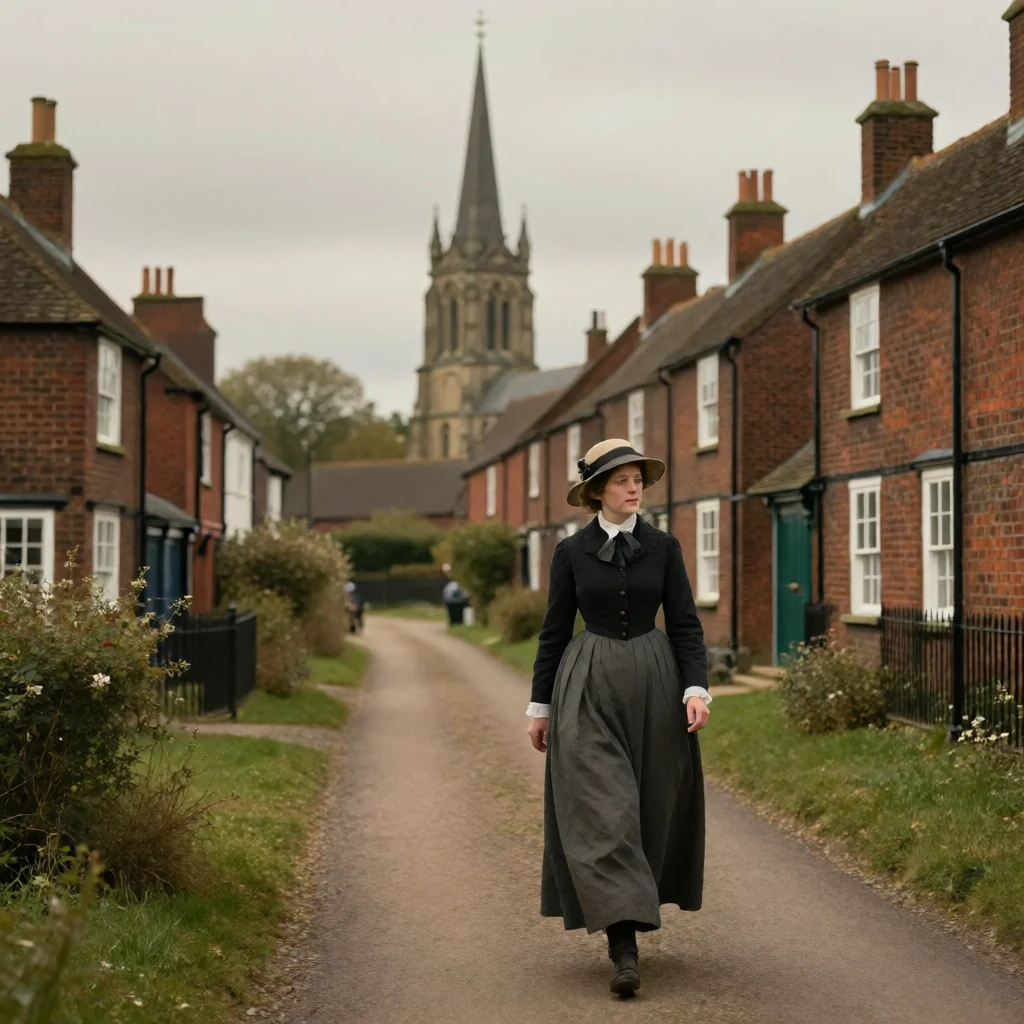
Will observes signs of weeping on Dorothea’s face and loses his diffidence. When Dorothea mentions Mr. Casaubon will be pleased to hear Will has chosen a profession, Will reacts with coldness. Dorothea, somewhat offended, defends her husband’s perseverance. This prompts Will to criticize Mr. Casaubon’s scholarship, claiming he cannot read German and that English scholarship is wasted for lack of awareness of continental work. Dorothea is startled and pained by this assessment, sitting silent and absorbed in the thought that her husband’s lifelong labor might be void.
Will Regrets Offending Dorothea
Will Regrets Offending Dorothea
Ashamed of his sharp criticism, Will attempts to soften it by backtracking to insincere praise of Mr. Casaubon’s distinguished talents. This pivot reveals his discomfort with having offended both Dorothea and his benefactor. Dorothea responds with renewed intensity, expressing regret that she never learned German at Lausanne and declaring she could be of no use to her husband. Will observes her with new interest, recognizing her genuine simplicity and feeling rather than cold cleverness.
Mr. Casaubon’s Arrival Contrasts with Will Ladislaw
Mr. Casaubon’s Arrival Contrasts with Will Ladislaw
Mr. Casaubon enters the room, composed but visibly weary and faded. The contrast with Will is striking—where Will radiates “sunny brightness” and energetic charm, Mr. Casaubon appears “rayless.” Dorothea, watching anxiously, becomes more conscious of an “alarm on his behalf” while simultaneously feeling a new freedom in Will’s young equality. She finds Will “quick and pliable, so likely to understand everything.”
Dorothea Makes Amends with Mr. Casaubon
Dorothea Makes Amends with Mr. Casaubon
After Will departs, Dorothea approaches her husband with remorse. She asks forgiveness for speaking hastily that morning, acknowledging her wrong and her fear of having hurt him. Mr. Casaubon receives her penitence quietly, citing a verse about repentance, but betrays an uneasy feeling in his eyes. He notes that both are “excited” and feeling the consequences of “too much mental disturbance.” Though internally he wishes to reproach her for receiving Will alone, he abstains from further complaint to avoid additional agitation.
Dorothea Recognizes Her Husband’s Unseen Inner Life
Dorothea Recognizes Her Husband’s Unseen Inner Life
The chapter closes with Dorothea reflecting on the day’s significance. She realizes she had been under “a wild illusion” expecting emotional response from Mr. Casaubon, and awakens to a presentiment that he carries a hidden consciousness of life’s sadness—creating needs on his side as deep as her own. The narrative voice comments philosophically on moral development, noting that Dorothea is beginning to perceive her husband not merely as an extension of her devotion but as a separate self with its own “equivalent centre.”
CHAPITRE XXII.
CHAPTER XXII. explores Will Ladislaw’s interactions with the Casaubons during their final days in Rome, encompassing a successful dinner, visits to artists’ studios where Mr. Casaubon and Dorothea sit for sketches, Will’s growing irritation at his friend Naumann’s objectifying remarks about Dorothea, and culminates with Will’s uninvited midday call to see Dorothea alone before the couple’s departure, where they discuss cameos and art. The chapter traces Will’s deepening emotional entanglement with Dorothea, his discomfort with her wifely devotion to Casaubon, and his longing for some distinctive acknowledgment from her.
Will Ladislaw’s Dinner with the Casaubons
Will Ladislaw dines with the Casaubons and proves delightfully agreeable, skillfully drawing Mr. Casaubon into conversation and deferentially listening to him while sharing anecdotes of Roman life and finding agreement on scholarly matters. Dorothea observes that Will has a happier way of engaging her husband than anyone she has known, and Mr. Casaubon feels pride in his young wife’s articulate opinions. When Casaubon mentions he will soon leave Rome, Will urges that Dorothea should visit a studio or two before her departure, and an arrangement is made for Will to accompany them on the morrow.
Studio Visit to Thorwaldsen and Naumann
Will guides the Casaubons first to view Thorwaldsen, then to the studio of his friend Adolf Naumann, whom he describes as one of the chief renovators of Christian art. Will explains his own work as Naumann’s temporary pupil, describing an oil-sketch of Marlowe’s Tamburlaine that he intends as a sweeping allegorical interpretation of world history, much to Mr. Casaubon’s uneasy discomfort. Dorothea finds her husband’s reactions difficult to read and wonders whether Will is gently mocking him, while Mr. Casaubon suspects he is being laughed at but cannot include Dorothea in that suspicion. At the studio, Naumann presents himself in a dove-colored blouse and maroon velvet cap, offering polished little dissertations on his works.
The original text of this work is in the public domain. This page focuses on a guided summary article, reading notes, selected quotes, and visual learning materials for educational purposes.