選択した言語の要約本文はまだ利用できません。英語版を表示しています。
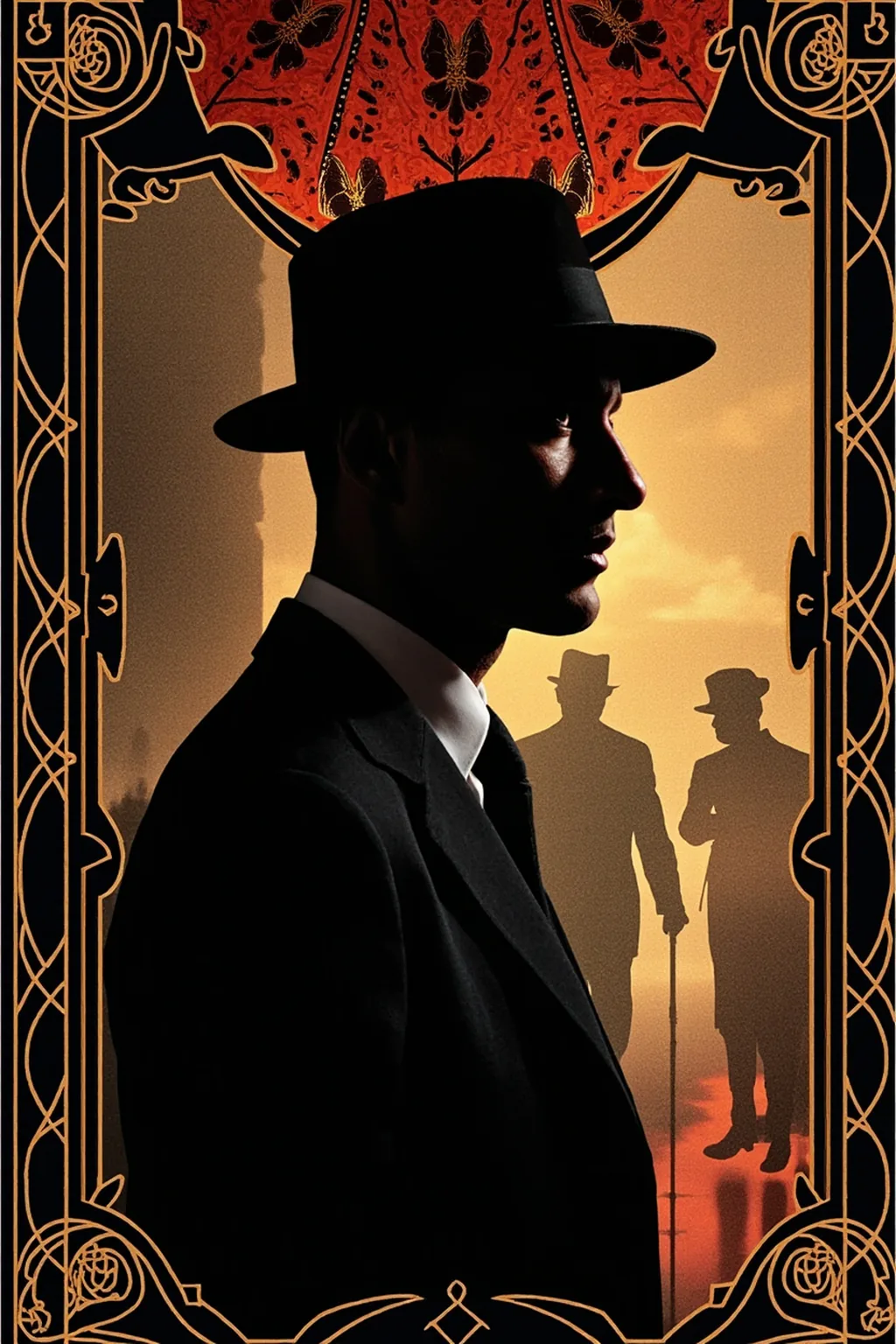
I parked my car and sat on an old grass roller in the yard, the warm summer night humming around me, when I spotted a figure standing on Gatsby’s lawn fifty feet away, hands in his pockets, staring up at the stars. It was Gatsby himself, and as I watched, he stretched his arms out toward the dark water, trembling slightly. I followed his gaze to a single tiny green light glowing at the end of a distant dock across the bay. Before I could call out to him, he turned and vanished into the shadow of his mansion, leaving me alone in the unquiet dark, the first glimpse of the mystery that would come to define the summer.
II
The desolate Valley of Ashes, a stretch of powdery grey waste between West Egg and New York where ash grows in ridges like wheat and ghostly ash-grey men toil under drifting dust, sits under the unblinking, enormous blue gaze of Doctor T. J. Eckleburg’s faded spectacles, a discarded oculist’s billboard that broods over the dumping ground like a blind, judging god. When Nick Carraway rides the train into Manhattan with Tom Buchanan one sweltering pre-Fourth of July afternoon, Tom forces him off at the ash heaps to meet his mistress. Tom’s mistress is Myrtle Wilson, the fleshy, vibrant wife of George Wilson, the anaemic, spiritless garage owner who runs a crumbling repair shop on the edge of the waste. Wilson begs Tom for the used car he’s been promised for weeks, and Tom coldly threatens to sell it elsewhere if Wilson complains about the wait. Myrtle sweeps past her husband like he’s a ghost, locking eyes with Tom, and arranges to meet him at the city’s lower-level newsstand; Tom scoffs that Wilson is too dim to even realize his wife is cheating on him, convinced she’s just visiting her sister in town. Myrtle rides in a separate train car to avoid scandal among East Egg passengers, and once in Manhattan she stocks up on gossip rags, cold cream, and perfume at the station drugstore, then picks out a scruffy white-footed Airedale puppy from a street vendor for ten dollars, which Tom insists is a bitch. She ushers Nick and Tom to a cramped top-floor apartment on 158th Street, crowded with oversized tapestried furniture and an absurd enlarged photograph of her mother that looks, from a distance, like a hen sitting on a rock, its small table stacked with old copies of the gossip rag Town Tattle and a copy of the scandalous Broadway novel Simon Called Peter. Myrtle changes into an elaborate cream chiffon afternoon dress that rustles with every step, her natural vitality shifting to imperious hauteur as she lords over the small space. Tom unlocks a bureau to pull out a bottle of whisky, and Nick gets drunk for only the second time in his life as the afternoon bleeds into evening. By the second drink, Mrs. Wilson and Nick have dropped all formalities and call each other by their first names. Guests arrive: Myrtle’s sharp, red-bobbed sister Catherine, and the McKees from the apartment below—Chester, a quiet photographer who took the strange enlarged photo of Myrtle’s mother, and his shrill, boastful wife Lucille. The group’s booze-fueled chatter is chaotic and unsparing: Catherine spins wild rumors about Nick’s next-door neighbor Jay Gatsby, claiming he’s Kaiser Wilhelm’s nephew and so dangerous Nick should be afraid of him; Lucille brags about almost marrying a Jewish suitor her friends said was beneath her, until she met Chester; Myrtle rants about her miserable marriage to Wilson, how she thought he was a gentleman when they wed but he borrowed a stranger’s suit for the ceremony and never told her, so she cried all afternoon when the man showed up to collect it. Catherine lies that the only thing keeping Tom and Myrtle apart is Tom’s Catholic wife, a fabrication Nick knows is false since Daisy Buchanan is not Catholic. Myrtle rambles giddily about her first meeting with Tom on a train, how she was so smitten by his patent leather shoes and dress suit she thought she’d never get to live forever, and lists all the lavish purchases she plans to make once she leaves Wilson: massages, a dog collar, a silk wreath for her mother’s grave. As the night wears on, the group grows rowdier, McKee falls asleep in his chair, and the air grows thick with smoke and unspoken resentment. When Myrtle shouts Daisy’s name over and over, taunting Tom, he snaps, backhanding her so hard he breaks her nose. Blood soaks the bathroom towels, the women scramble to tend to her, and McKee stumbles out in a daze. Nick follows him down to the lobby, where McKee invites him to lunch sometime before vanishing. The scene blurs for Nick, drunk and disoriented, and he comes to half-asleep on a cold bench in the lower level of Pennsylvania Station, waiting for the 4 a.m. train home.
The original text of this work is in the public domain. This page offers a compressed quick-read summary for educational purposes.