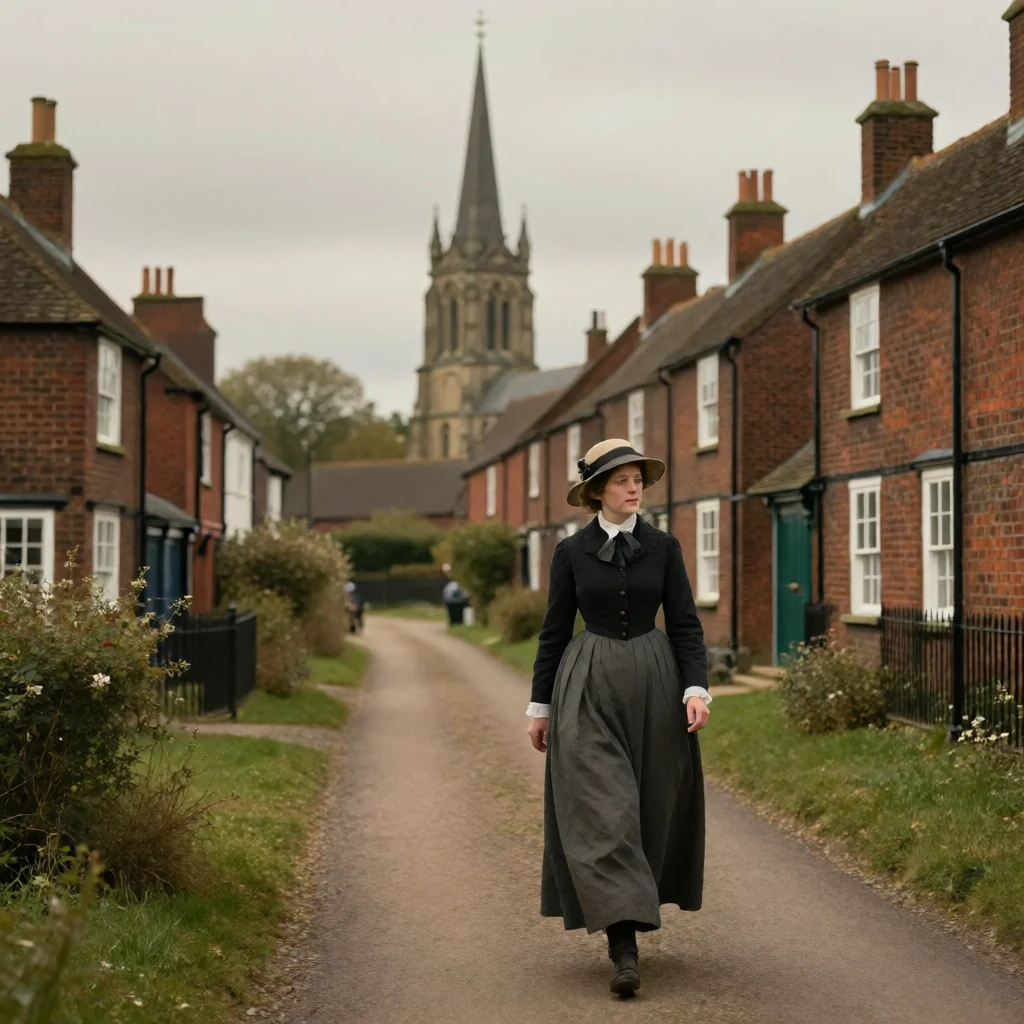
Vincy Confronts Bulstrode Over Fred’s Request
Mr. Vincy, thoroughly nettled by Mr. Bulstrode’s likely refusal, reminds his brother-in-law that he has suffered no loss through Vincy’s trade and that the two families are naturally linked through Bulstrode’s marriage to Harriet. He demands to know plainly whether Bulstrode wishes the Vincy family to come down in the world.
Vincy Asserts His Unchanged Social and Religious Stance
Defending himself against any implication of decline, Vincy insists that he remains exactly what he has always been: a plain Churchman who takes the world as he finds it in trade and in life, content to be no worse than his neighbors. He challenges Bulstrode to say outright if he wants the Vincys humbled.
Vincy Accuses Bulstrode of Unhandsome Refusal
Pressing his grievance over the letter concerning Fred, Vincy denounces Bulstrode’s conduct as “unhandsome,” likening its religious exterior to a “nasty, dog-in-the-manger look” that comes close to slandering Fred. He condemns what he calls Bulstrode’s “tyrannical spirit” of wanting to play “bishop and banker everywhere,” declaring that such behavior makes a man’s name stink.
Bulstrode Warns Quarrelling Would Harm Harriet
Bulstrode, with a trifle more eagerness and paleness than usual, cautions that if Vincy insists on quarrelling, the outcome will be exceedingly painful to Harriet as well as to himself.
Vincy Urges Familial Unity Between the Families
Insisting he bears no grudge, Vincy argues that friendship is in both their interests. He acknowledges Bulstrode’s austere religious habits as sincere, mocks his desire to be “first chop in heaven,” but appeals to the bond between brothers-in-law: the families ought to stick together, and Harriet herself will blame Bulstrode if quarrelling ensues over so small a matter as aiding Fred.
Bulstrode Reflects on Past Unsuccessful Interactions With Vincy
The narrator observes that this is not the first time Bulstrode has begun by admonishing Vincy only to end by seeing a most unsatisfactory reflection of himself in the coarse, unflattering mirror of his brother-in-law’s mind. Despite this pattern, Bulstrode’s “fine fount of admonition” proves as generous and as useless as a full-fed fountain spilling in the rain.
Bulstrode Requires Motive Alignment Before Complying
It is not in Bulstrode’s nature to comply directly in response to uncomfortable pressure; before altering his course, he must reshape his motives and bring them into accord with his habitual standard of conduct.
Bulstrode Agrees to Ponder the Request and Consult Harriet
At length Bulstrode yields a measured concession, saying he will reflect a little, mention the matter to Harriet, and probably send a letter—though he stops short of a firm commitment. Vincy, rising and buttoning his great-coat while fixing Bulstrode with a steady look, presses for a decision before they meet again the following day.
CHAPITRE XIV.
CHAPTER XIV. of Middlemarch opens with an epigraphic “Recipe for the Sauce of Idleness,” then shifts to a sequence in which Fred Vincy delivers a letter from Mr. Bulstrode to the bedridden Mr. Featherstone. Featherstone mocks the letter’s fine language, summons and scolds Mary Garth, then gives Fred a disappointingly modest gift of five twenty-pound notes. At Featherstone’s request, Fred burns the letter. Afterward, Fred and Mary converse by the fire, Fred confesses his love and proposes marriage, and Mary firmly rejects him, declaring that even if she loved him she would not promise to marry a man without means of supporting a wife.
Recipe for the Sauce of Idleness
A verse epigraph sets the chapter’s theme, presenting “Idleness” as a dainty sauce composed of watchful servility, buffetings, flatteries, and self-praise, to be served warm in the vessels of “dead men’s shoes.” The poem frames the chapter’s critique of Fred Vincy’s indolent dependence on his uncle.
Fred Delivers Bulstrode’s Letter to Featherstone
Following Bulstrode’s consultation with his wife Harriet, a letter arrives early the next morning that Fred can carry to Mr. Featherstone as the required testimony concerning rumors that Fred had borrowed money on anticipated bequests.
The original text of this work is in the public domain. This page focuses on a guided summary article, reading notes, selected quotes, and visual learning materials for educational purposes.