Featherstone Mocks Bulstrode’s Written Denial
Featherstone, propped in bed, reads Bulstrode’s letter aloud with contemptuous asides, ridiculing the banker’s fine legal language and pointedly noting that Bulstrode nowhere calls Fred a young man of “sense and character.” He hands the letter back to Fred, declaring that he believes neither the denial nor the original accusation.
Featherstone Summons and Scolds Mary Garth
Featherstone rings for Mary Garth and, when she arrives with red eyes, scolds her sharply for having left the room and for not having his waistcoat ready. Fred, restraining his anger, watches as Mary quietly endures the old man’s abuse, knowing she is used as a foil to season his favor to others.
Featherstone Gives Fred a Modest Monetary Gift
From a tin box concealed under the bedclothes, Featherstone slowly counts out banknotes and presents Fred with a sheaf of five notes. When Fred counts them, he finds only five twenties—eighty pounds—rather than the fortune his hopefulness had imagined. Featherstone chuckles, suggesting eighty pounds is enough for a hunter and twenty pounds left over for “any little scrape,” and remarks that he is a better uncle than Bulstrode. Fred accepts the gift with studied graciousness masking bitter disappointment.
Fred Destroys Bulstrode’s Letter Per Featherstone’s Request
At Featherstone’s curt dismissal of the letter as worthless, Fred carries Bulstrode’s letter to the fire and thrusts the poker through it with zest, eager to be free of the room. He lingers only until the farm-bailiff arrives and he is formally dismissed.
Fred and Mary Discuss His Idle Lifestyle
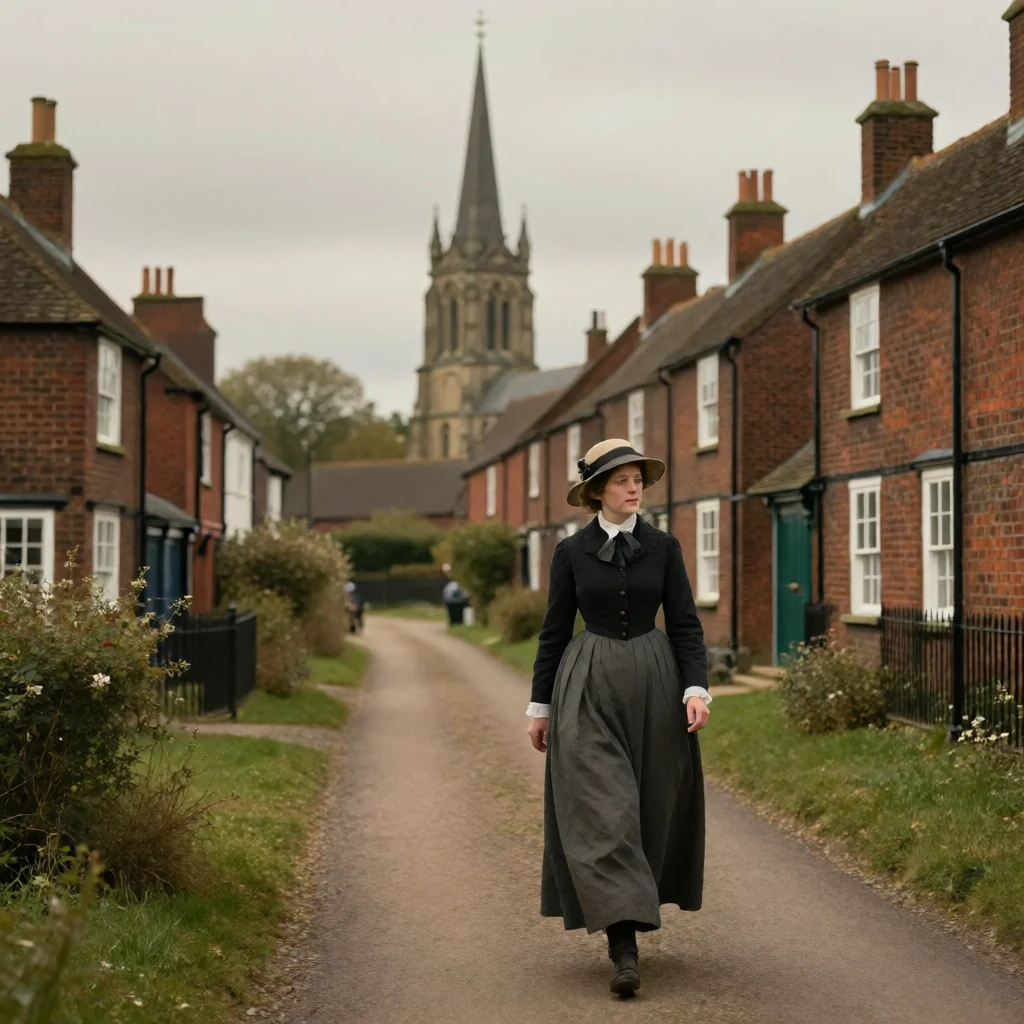
Freed from Featherstone, Fred finds Mary by the sitting-room fire with her sewing and a book. Their conversation turns to her irritation at the world’s habit of supposing any kind man must be in love with her, to Fred’s critique of his own idle and extravagant habits, and to a light literary exchange in which Mary parries his self-deprecation with amused references to heroines of romance. Mutual affection simmers beneath their banter, though Mary maintains her composure while Fred increasingly struggles to recover his footing.
Fred Declares His Love to Mary
Drawing on the literary examples, Fred presses the question of whether a woman can love a man she has known since childhood. Steadily, he declares his love for Mary and asks her to promise to marry him when he is able.
Mary Rejects Fred’s Marriage Proposal
Mary refuses decisively. She tells him that even if she did love him, she would not promise to marry him, and that to marry him as he is—without means and idle—would be wicked. Citing her father’s view that an idle man ought not to exist, much less be married, she insists that goodness must precede any claim to be loved. Fred, recognizing the justice of her refusal, exits in wounded silence.
CHAPITRE XIV.
This chapter centers on Fred Vincy’s frustration with his upcoming examination, his unrequited romantic feelings for Mary Garth, his mounting unpaid debts, and the unwavering partiality his mother Mrs. Vincy holds for him.
Cleverness and Idleness
Fred complains to Mary that passing his examination is disgracefully easy for people like Mr. Farebrother but unachievable for him, insisting his far greater cleverness should make the task simple. Mary sarcastically retorts that his failure to pass has nothing to do with lack of cleverness, and everything to do with being ten times more idle than the average man who earns a degree.
Fred Seeks Encouragement
After their argument about idleness and cleverness, Fred seizes Mary’s hand as she tries to leave, pleading that if she will not give him some encouragement, he will grow worse and more unproductive rather than improving his circumstances.
Mary’s Refusal
Mary firmly refuses to offer Fred any encouragement, explaining that both his friends and hers would disapprove of any romantic connection between them, and her father would view accepting a man who accumulates debt and refuses to work as a deep personal disgrace. Before walking out, she turns back to tell Fred he has always been kind and generous to her, but asks him never to speak to her in a romantic way again. Fred leaves sulkily, but remains partially hopeful due to the prospect of inheriting Mr. Featherstone’s land and his lingering belief that Mary truly cares for him despite her rejection.
The original text of this work is in the public domain. This page focuses on a guided summary article, reading notes, selected quotes, and visual learning materials for educational purposes.